Blog ·
Planning a Home Improvement Project Successfully
Home improvement projects can feel overwhelming, but thoughtful planning transforms chaos into manageable steps. Whether you're tackling a small update or a larger renovation, a structured approach helps you stay on budget, on schedule, and satisfied with the final result.
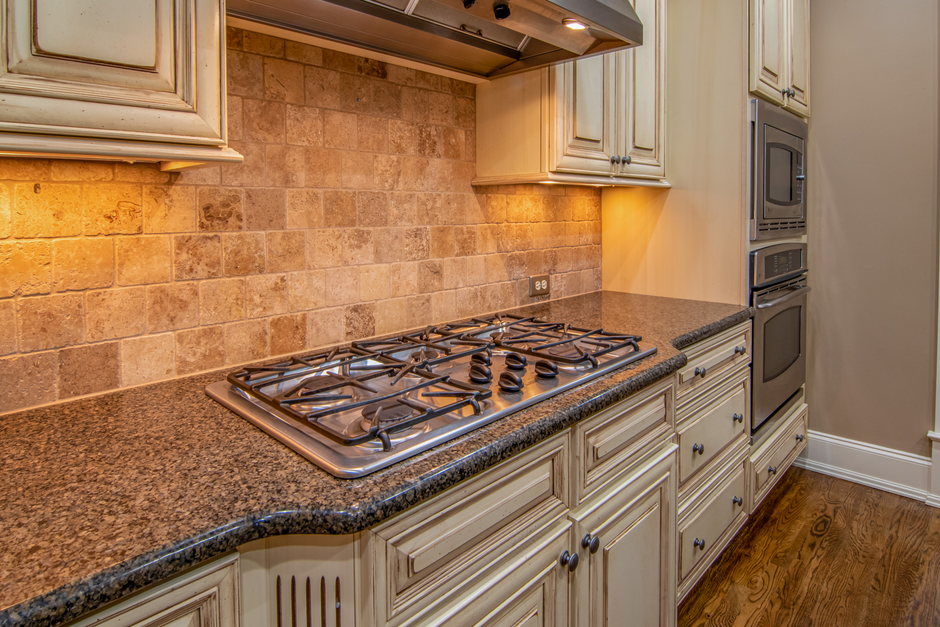
Begin by clearly defining your project's scope and goals. What specific problem are you solving? Are you improving functionality, updating aesthetics, addressing maintenance issues, or increasing home value? Be specific about your vision. Instead of vague ideas like update the kitchen, think about whether you want improved storage, updated appliances, new countertops, or refreshed cabinetry. Specific goals drive better decision-making throughout the project.
Research and Budget Planning
Research thoroughly before committing resources. Look at similar projects, read about common pitfalls, and understand what different materials or approaches offer. This research phase prevents expensive mistakes and helps you make informed choices. Talk to others who've completed similar projects. Real-world experience from people who've done what you're planning is invaluable.
Create a detailed budget that includes all anticipated costs plus a contingency buffer. Home projects almost always encounter unexpected issues once work begins. Building in a contingency fund prevents financial stress if surprises arise. Include costs for materials, labor, permits, and disposal of old materials or debris.
Timeline, Materials, and Professional Help
Develop a realistic timeline. Understand how long each phase should take and what dependencies exist between tasks. Some projects require completing one stage before starting the next. Others can happen simultaneously. Knowing your timeline helps you plan around the disruption home improvement creates.
Gather materials and information before starting work. Last-minute shopping interrupts momentum and can lead to poor decisions made in haste. Organizing everything you need beforehand means work proceeds smoothly without constant stops and starts.
Decide whether to hire professionals or tackle work yourself. Be honest about your skills and the time you can commit. Some projects require professional expertise; others are perfect for capable DIYers. Hiring professionals ensures quality results and saves your time. Doing work yourself saves money but demands your energy and skill.
Establish clear success criteria before you start. Define what good results look like so you can recognize them when you achieve them. Finally, document your project with before and after photos. This creates a satisfying record of your accomplishment and provides valuable information for the future.
With planning and clear thinking, home improvement projects become rewarding rather than stressful.